Intepretivists do Interpretive Methods Series
How do interpretivist scholars craft a research question? What are the challenges of ordinary language interviews? What are the virtues of participant observation for the study of politics? How do interpretivist scholars carry out their research?
This new series convenes interpretivist scholars to present their work, highlighting their theoretical interventions and, most importantly, discussing their methodological approach. The series aims to provide a forum where scholars can learn from the experiences of others who have successfully deployed interpretive methodologies and methods in political science.
This series began in the fall of 2024.

Dr. Madonna Kalousian (King’s College London) is a Research Associate in the Department of War Studies, working on the research project, Mapping Injury, led by Professor Vivienne Jabri. The project investigates ‘injury’ in its multiple sites and manifestations in the Global South, and its impact on political agency and global mechanisms of response. Madonna’s current work for Mapping Injury focuses on societal, cultural, and political entanglements of injury and justice at a number of sites in Lebanon, with a particular focus on questions relating to population displacement, the absence of infrastructure provision, and legacies of war on the cityscapes and landscapes of Lebanon, including the Beirut Port explosion and continuing international conflict in south Lebanon.
The talk is open to the public, but registration is required. Please register by clicking here.
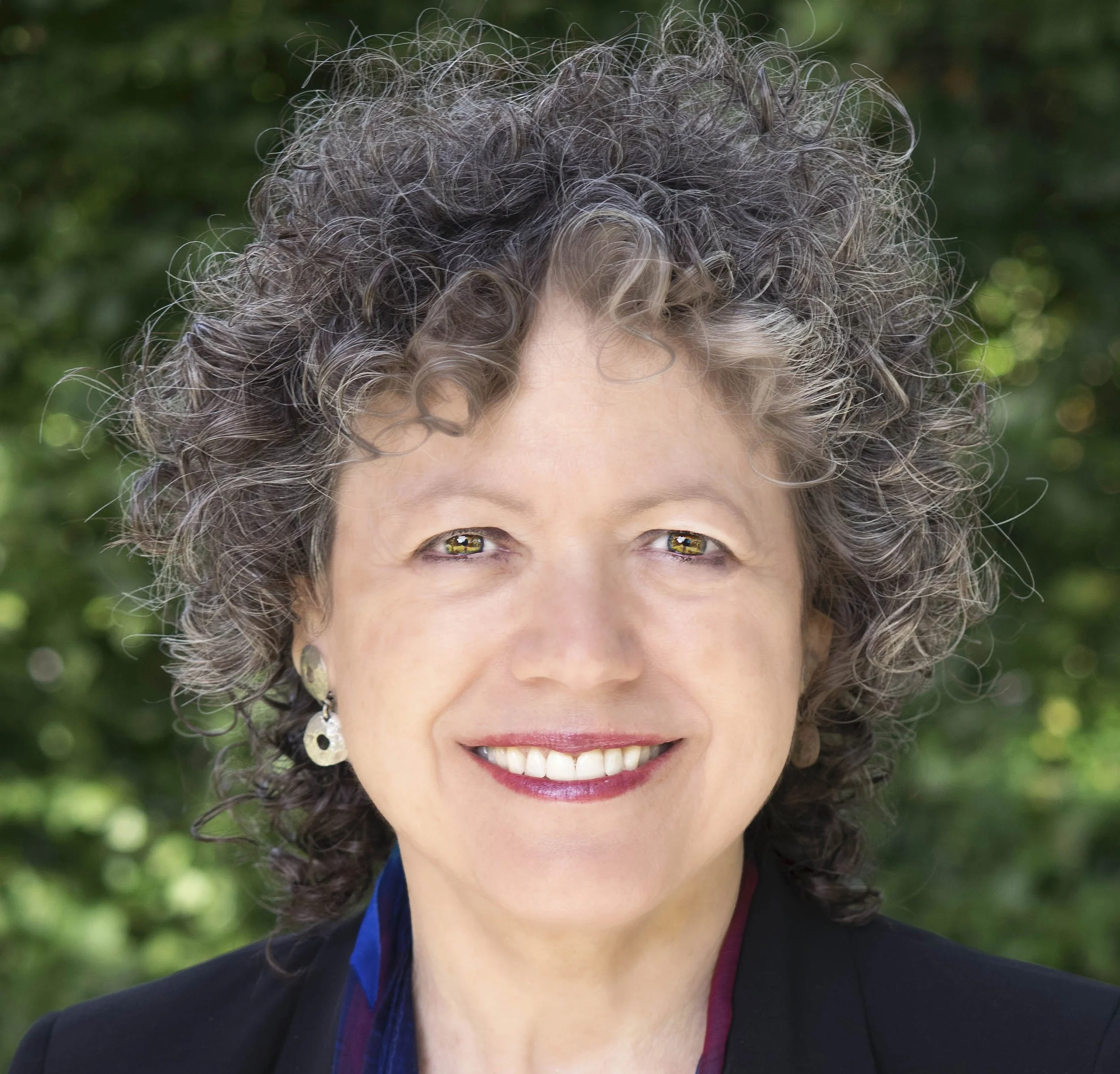
Lisa Wedeen is the Mary R. Morton Distinguished Service Professor of Political Science and the College and Director of the Chicago Center for Contemporary Theory at the University of Chicago. She is also Associate Faculty in Anthropology. Her publications include three books: Ambiguities of Domination: Politics, Rhetoric, and Symbols in Contemporary Syria (1999; with a new preface, 2015); Peripheral Visions: Publics, Power, and Performance in Yemen (2008); and Authoritarian Apprehensions: Ideology, Judgment, and Mourning in Syria (2019).
The talk is open to the public, but registration is required. Please register by clicking here.
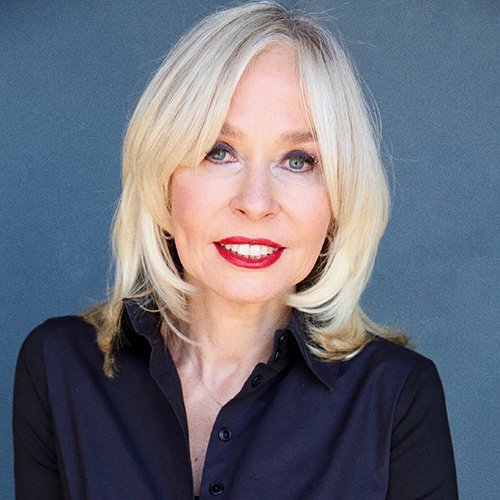
Vivien Schmidt (Professor Emerita, Boston University) will speak about the power of ideas and discourses, drawing from her recently published book The Power of Ideas and Discourse in Political Analysis: A Discursive Institutionalist Perspective (Oxford 2026), which provides a sweeping appraisal of how ideas and discourse are used by policymakers and everyday citizens to understand the world, communicate with one another, and mobilize for collective action. Her scholarly research is situated at the intersection of political theory, comparative politics, and international relations.
The talk is open to the public, but registration is required. Please register by clicking here.
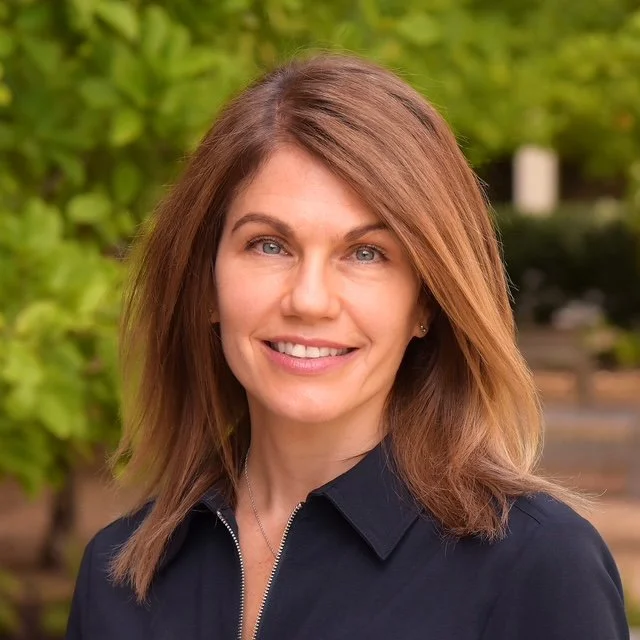
Denise Walsh’s (University of Virginia) research asks how liberal democracies can become more inclusive and just. Her most recent book, Imperial Sexism: Why Culture and Women's Rights Don’t Clash (Oxford University Press, 2025), won the 2026 ISA Feminist Theory and Gender Studies Book Prize. The book compares the face veil ban in France, polygyny in South Africa, and Indigenous women’s Indian status in Canada to argue that a clash between culture and women’s rights is never inescapable. She uncovers what fuels this widely held perception and shows how justice can be advanced for minoritized women and their communities.
The talk is open to the public, but registration is required. Please register by clicking here.
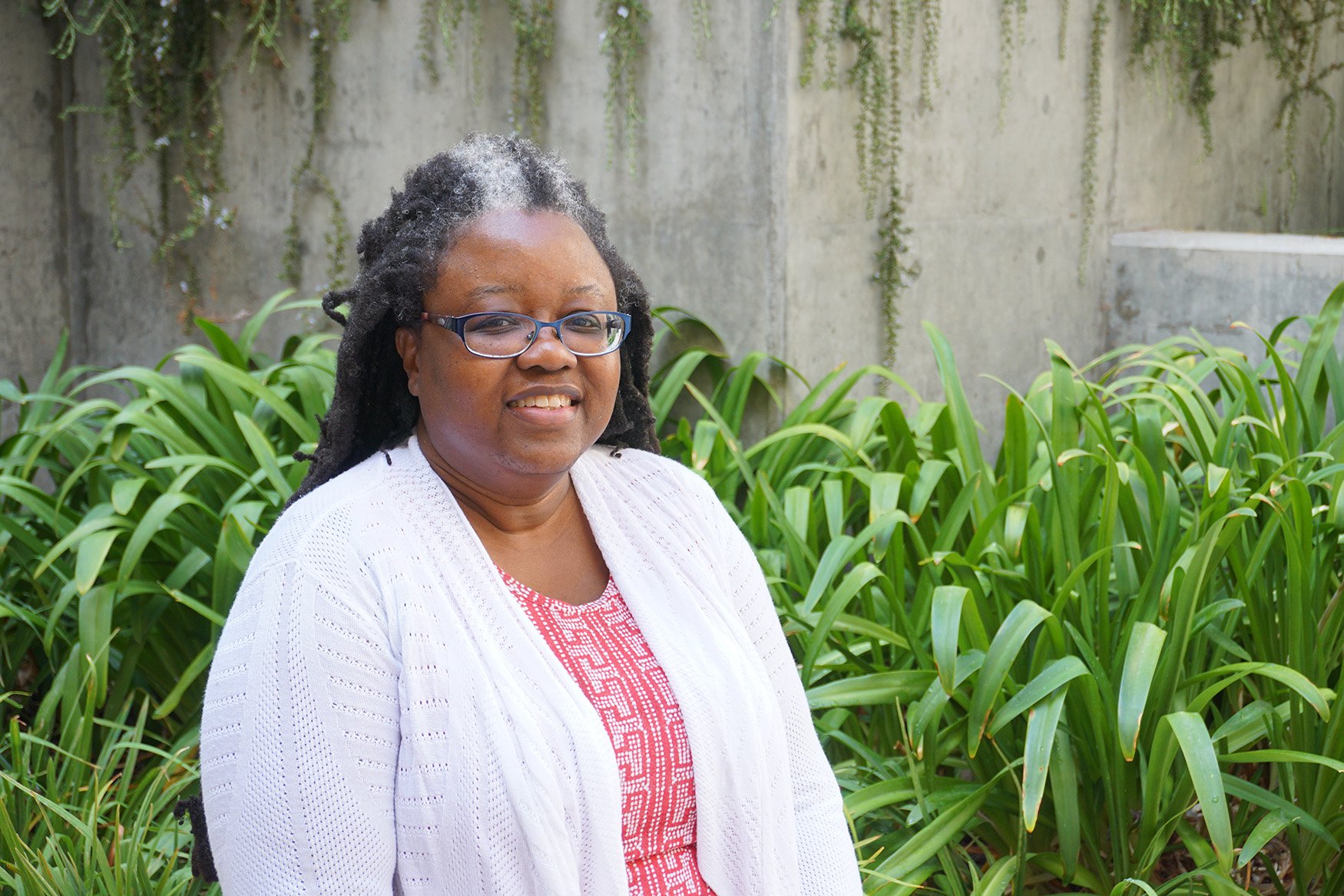
Kimala Price (San Diego State University) will discuss her use of narrative analysis in this session of the Interpretivists do Interpretive Methods. Professor Price's studies reproductive health policy and politics. Her book, Reproductive Politics in the United States (Routledge, 2021) makes use of an explicitly feminist framework to analyze how the intersections of gender, race, ethnicity, class, sexuality, and other markers of difference are implicated in protest and policy. Additionally, Professor Price has a strong commitment to feminist activism and policy advocacy, and has been active, for more than three decades, the reproductive rights and reproductive justice movements.
The talk is open to the public but registration is required: click here.